



If you are wondering when pregnancy cravings start, you are not alone. Most pregnant women begin experiencing food cravings during their first trimester, typically between week 5 and week 8 of pregnancy. These intense urges for specific foods often appear right around the time morning sickness begins.
Pregnancy cravings generally hit their peak during the second trimester. By the time you reach your third trimester, you will likely notice these sudden urges starting to fade as your body prepares for labor.
While the sudden need for a specific food can feel overwhelming, cravings are a completely normal part of carrying a baby. Understanding the timeline and the underlying causes can help you manage your changing appetite with confidence.
At a Glance: Pregnancy Cravings
- The typical start: Cravings usually begin in the middle of the first trimester.
- The peak period: You will likely experience the strongest cravings during your second trimester.
- Aversions are common: You might suddenly feel repulsed by foods you usually love, which is just as normal as craving new things.
- Safety first: Craving non-food items like ice, dirt, or laundry starch is a condition called pica and requires a call to your doctor.
The Timeline of Pregnancy Cravings
Please note: The following information is for general educational purposes. Every pregnancy is different. If you have concerns about your diet, weight gain, or unusual cravings, consult your OB-GYN or midwife for an individualized medical evaluation.
Your body undergoes massive shifts to support a growing baby, and your appetite follows a somewhat predictable path. Here is a closer look at how cravings typically evolve throughout the three trimesters.
First Trimester: The Beginning
The first trimester is characterized by a rapid increase in pregnancy hormones, particularly human chorionic gonadotropin (hCG) and estrogen. This hormonal surge is responsible for the classic early pregnancy symptoms, including nausea, fatigue, and the onset of food cravings.
Between weeks 5 and 8, you might notice your appetite becoming highly specific. You may desperately want a particular type of citrus fruit or a specific brand of salty chips. During these early weeks, cravings are heavily tied to your stomach’s unpredictable behavior. Many women crave simple carbohydrates, like crackers or plain toast, simply because these foods settle a nauseous stomach.
Second Trimester: The Peak
As you cross the threshold into your second trimester, morning sickness usually subsides. Your energy returns, and with it, your appetite often returns in full force.
This is the phase where cravings tend to peak. Your baby is growing rapidly, and your body requires more calories and nutrients. You might find yourself wanting intense flavor combinations, like spicy foods, sour candies, or rich desserts. Without the barrier of constant nausea, the second trimester is when most of the stereotypical “pickles and ice cream” cravings occur.
Third Trimester: The Decline
As you enter the final stretch of your pregnancy, food cravings generally begin to taper off. Your baby is taking up a significant amount of space in your abdomen, which leaves less room for your stomach to expand.
Instead of sudden urges for massive meals or specific treats, you might find yourself needing to eat smaller, more frequent meals just to stay comfortable. Heartburn and acid reflux are very common in the third trimester, so you may naturally gravitate toward milder, easily digestible foods rather than indulging in spicy or highly acidic cravings.

Quick Reference: Cravings by Trimester
| Trimester | Typical Timing | Characteristics of Cravings |
| First Trimester | Weeks 5 to 12 | Mild to moderate. Often focused on bland, salty, or sour foods that help ease nausea. |
| Second Trimester | Weeks 13 to 27 | Peak intensity. Highly specific urges for sweet, spicy, or savory flavor combinations. |
| Third Trimester | Weeks 28 to 40 | Decreasing intensity. Preference shifts toward smaller, easily digestible meals due to stomach crowding. |
What Actually Causes Pregnancy Cravings?
The exact biological mechanism behind pregnancy cravings is still a subject of medical research. However, experts generally agree that a combination of factors drives these intense dietary desires.
Hormonal Fluctuations
Hormones are the primary suspects. The dramatic rise in estrogen and progesterone alters how your brain processes flavors and scents. These hormones can change the receptors on your tongue, making foods taste different than they did before you were pregnant.
Heightened Sense of Smell
Pregnant women often develop a superpower-like sense of smell, clinically known as hyperosmia. Because smell and taste are intimately connected, an enhanced sense of smell can make certain foods incredibly appealing. Conversely, it can also make the odor of previously enjoyed foods completely intolerable.
Increased Nutritional Needs
Your body is working overtime to build a new human being. Sometimes, a craving is your body’s way of asking for specific nutrients. For example, a strong desire for red meat might indicate a need for more iron or protein. A craving for dairy products could be a signal that your body requires more calcium for your baby’s developing bones.
Comfort and Fatigue
Pregnancy is physically exhausting. When you feel tired or emotionally drained, your brain naturally seeks out foods that provide a quick energy boost or a sense of comfort. This often translates to cravings for high-calorie, carbohydrate-rich, or sugary foods that trigger the release of dopamine in the brain.
Understanding Food Aversions
You cannot talk about pregnancy cravings without discussing food aversions. An aversion is the exact opposite of a craving—it is a sudden, intense physical repulsion to a specific food.
Aversions follow the same timeline as cravings, usually starting in the first trimester. The smell of brewing coffee, the texture of raw chicken, or even the sight of broccoli might suddenly make your stomach turn. This is thought to be a protective biological mechanism. The body creates aversions to steer pregnant women away from foods that might carry bacteria or be difficult to digest during the vulnerable early weeks of fetal development.
If you develop an aversion to a healthy food you normally eat, do not panic. Try to find nutritional substitutes. If you cannot stomach chicken, try getting your protein from beans, Greek yogurt, or nuts until the aversion passes.
Managing Your Cravings Healthily
Giving in to your cravings is perfectly fine, provided you do so in moderation and maintain an overall balanced diet. The American College of Obstetricians and Gynecologists (ACOG) recommends that pregnant women eat a variety of whole foods to support a healthy pregnancy.
Here are practical ways to manage your changing appetite.
Focus on Nutrient-Dense Swaps
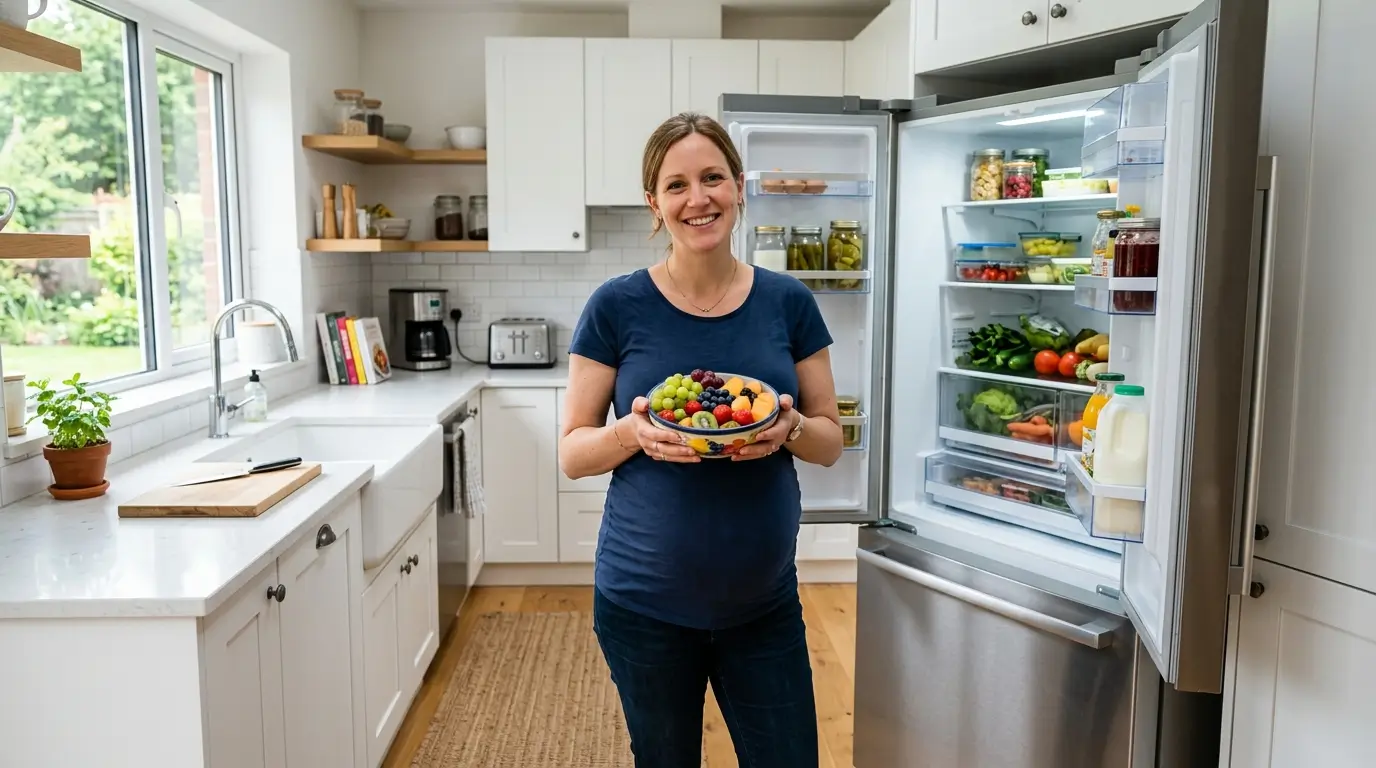
If you are constantly craving sugar, try swapping candy or cake for fresh fruit. A bowl of cold grapes or a sliced apple with peanut butter can satisfy a sweet tooth while providing necessary fiber and vitamins. If you are craving salt, opt for lightly salted mixed nuts or air-popped popcorn instead of a family-sized bag of potato chips.
Eat Regular, Balanced Meals
Skipping meals or letting yourself get too hungry can cause your blood sugar to drop. This often triggers intense cravings for fast, unhealthy energy sources. Aim to eat three balanced meals and two healthy snacks throughout the day to keep your blood sugar stable.
Stay Hydrated
Sometimes, the body misinterprets thirst as hunger. Pregnant women need more fluids to support increased blood volume and amniotic fluid production. Keep a water bottle nearby and sip it throughout the day. If plain water sounds unappealing, try infusing it with lemon, cucumber, or a splash of 100% fruit juice.
Allow Sensible Indulgences
Depriving yourself completely can make a craving feel overwhelming. If you really want a piece of chocolate cake, have a small slice and enjoy every bite. The goal is balance, not perfection.
When to Contact Your Healthcare Provider
While craving ice cream at midnight is harmless, certain cravings require immediate medical attention.
If you develop a craving to eat non-food items, you must contact your OB-GYN or midwife. This condition is known as pica. Common non-food cravings include:
- Ice or frost from the freezer
- Dirt, clay, or chalk
- Laundry detergent or soap
- Paper or cardboard
- Cornstarch or raw flour
Pica is often a sign of a severe nutritional deficiency, most commonly iron-deficiency anemia. Eating non-food items can be dangerous for both you and your baby, as it can introduce toxins into your body and interfere with the absorption of real nutrients. Your doctor will likely order a simple blood test to check your iron levels and prescribe a safe supplement if needed.
Frequently Asked Questions
Do cravings predict the baby’s sex?
Old wives’ tales suggest that craving sweets means you are having a girl, while craving salty or sour foods means you are having a boy. There is absolutely no scientific evidence to support this. Cravings are related to your hormones and nutritional needs, not the biological sex of your baby.
Is it normal not to have any cravings?
Yes, it is completely normal. Not every pregnant woman experiences intense food cravings or aversions. If you maintain your regular appetite throughout your pregnancy, consider yourself lucky and continue eating a balanced, nutrient-rich diet.
Can cravings start before a positive pregnancy test?
While less common, some women notice a change in their taste preferences or an unusual food craving just a few days before a missed period. However, because early pregnancy symptoms closely mimic premenstrual syndrome (PMS), a craving alone is not a reliable indicator of pregnancy.
Are sweet or salty cravings more common?
Research suggests that sweet cravings are the most common among pregnant women in the United States, followed closely by cravings for high-calorie dairy foods and salty carbohydrates. Cultural factors also play a role; women in different parts of the world often crave the specific comfort foods native to their regions.
Can you crave something you usually hate?
Absolutely. The hormonal changes of pregnancy can completely alter your taste buds. It is very common to suddenly desire a food you previously disliked, or to feel repulsed by a dish you used to eat every week.
How early do food aversions start?
Food aversions can start as early as week 4 or 5, almost immediately after implantation occurs and hCG levels begin to rise. They often hit before cravings do, serving as one of the very first signs of morning sickness.
